







Online Therapy in California

Online Men's Group
Therapy in California

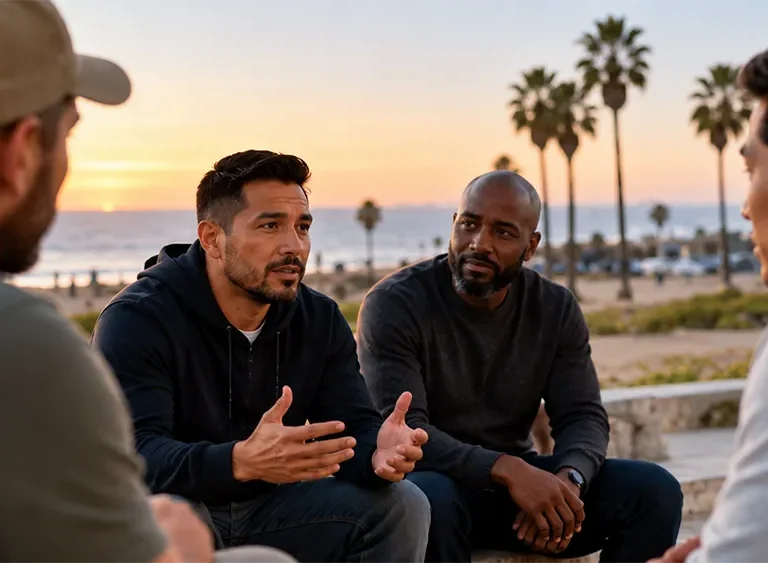
Many men carry stress, relationship strain, and difficult emotions on their own, without a place to talk openly. Our therapists lead online men's group therapy in California, where men can speak honestly, learn from each other, and build healthier ways to handle pressure, anger, and connection.

Licensed Therapists
in California

Private, Secure
Sessions

Online Anywhere
in California

Online Men's Group Therapy in California

A Place for Men
to Talk Openly

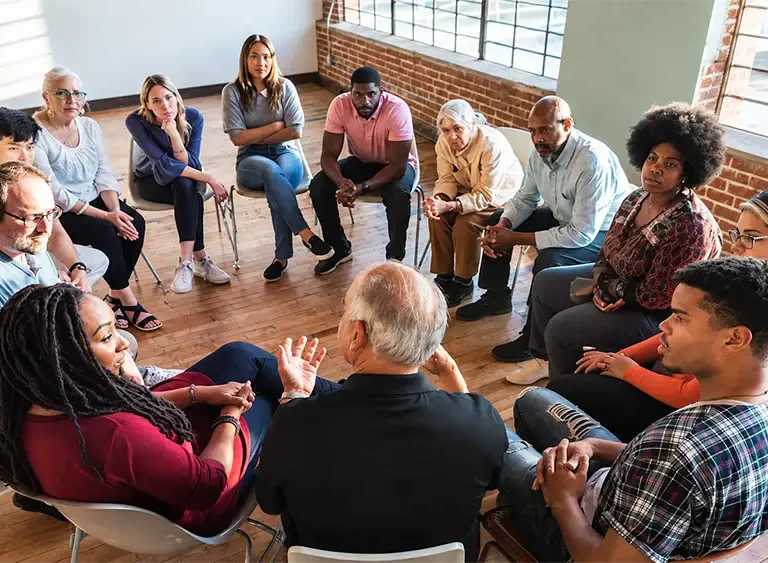
Men’s group therapy offers a confidential, structured space to talk about stress, relationships, anger, loneliness, identity, and life changes. Many men have never had a setting where they can say what they are dealing with out loud, without being judged or expected to have it all figured out.

At Heartfelt Flourish, our groups are led by Marriage and Family Therapists who keep the space respectful and focused, so each member can share at his own pace. Members join online from anywhere in California and connect with other men facing similar challenges.

What Brings Men to Our Groups

Communication
Challenges

Stress and
Pressure

Relationship
Concerns

Identity and Self
Understanding

Anger and
Frustration

Loneliness and
Isolation

How Our Men's Groups Help

Personal Growth Support

Develop greater self awareness, resilience, emotional balance, and confidence in daily life.

Relationship Support

Explore relationship patterns, emotional distance, trust concerns, and ways to build stronger connections.

Emotional Support

Build a better understanding of emotions, stress responses, and personal patterns in a supportive setting.

Communication Support

Learn healthier ways to express thoughts, needs, concerns, and emotions with more clarity and confidence.

How Online Men's Group Therapy Works

1

Book Your Consultation

2

Join Your Group Securely

3

Share and Listen at Your Own Pace

4

Build Healthier Patterns

Book an appointment / Free Consult

Book an appointment

Just complete the form.
After reading by experts, we will contact you.

Call Us :

Up to 20 min free consultation.

team-hamed

Hamed Fatahian

Your Consultant

Book A Free Consult / Book Appointment

This field is for validation purposes and should be left unchanged.
Name(Required)
Phone(Required)
If you feel comfortable, please tell us a bit about yourself (or your loved one):
Online Group Therapy in California

How Men's Group Therapy Can Help You

Watch this short introduction to learn how men's group therapy can help you reduce isolation, manage stress, improve communication, and build stronger relationships. At Heartfelt Flourish, our therapists lead secure online groups focused on honest conversation, emotional awareness, and personal growth.

Online Men’s Group Therapy in California: Support for Stress, Relationships, and Emotional Growth


Online Men's Group Therapy in California

Many men carry emotional pressure quietly. They feel expected to stay strong, solve problems, provide for others, and keep difficult feelings under control. Over time, stress, loneliness, anger, and relationship strain can build up when there is nowhere to talk about them.

This guide explains what men’s group therapy is, who it can help, what members talk about, and what to expect from online men’s group therapy in California with Heartfelt Flourish.

What Is Men’s Group Therapy?

Men’s group therapy is a form of group psychotherapy in which a small group of men meets with a therapist to talk about stress, emotions, relationships, and personal challenges. At Heartfelt Flourish, groups meet online in 90-minute sessions. The therapist guides the conversation, keeps the space respectful and confidential, and helps members turn honest conversation into practical change.

Unlike a casual meetup, a therapy group is structured and led by a trained clinician. For a broader introduction to how groups work, read our article What Is Group Therapy?

Who Men’s Group Therapy Is For

Our men’s groups are open to adult men at any stage of life. Members may include men who:

  • Feel stressed, overwhelmed, or stretched thin by work and family responsibilities
  • Struggle to express emotions or ask for support
  • Notice anger or irritability affecting their relationships
  • Feel lonely, even when surrounded by people
  • Are going through a divorce, breakup, or change in family life
  • Are adjusting to fatherhood, a career change, or a loss
  • Want to understand themselves better and grow, without waiting for a crisis

Why Men’s Group Therapy Can Help

Many men learn early to handle problems privately. Instead of talking about fear, sadness, or uncertainty, they focus on work, responsibilities, or fixing the problem. That approach can help in the short term, and over time it often leads to emotional distance from partners, family, and friends.

A men’s group offers a different kind of space. Members can speak honestly without performing strength or hiding what they feel. When a man hears another describe the same pressure or doubt he has been carrying, it often eases shame and makes it easier to talk. Members also learn from each other’s real experience: how someone handled a hard conversation, managed anger, or rebuilt a relationship.

Reducing Isolation and Building Connection

Isolation among men is common. In a 2021 survey by the Survey Center on American Life, 15% of men said they had no close friends, up from 3% in 1990. Many men have coworkers, family, and acquaintances around them and still have no one they can talk to about what really matters.

A group provides regular, honest contact with other men who understand. Connection takes time, and members can participate at their own pace. Listening is a meaningful way to take part, especially at the beginning. You can read more about this in our articles on loneliness and why connection heals and nurturing friendships through communication.

Understanding Emotional Patterns

Many men experience emotions without seeing how those emotions shape their behavior. Stress may show up as irritability. Sadness may turn into withdrawal. Fear may look like control, and shame may come out as defensiveness. Unspoken pain can end up as anger, numbness, or distance.

In the group, the therapist helps members notice how emotions show up in the body, in relationships, and in daily decisions. Recognizing these signals earlier makes it easier to communicate, set boundaries, manage stress, and stay connected to the people who matter. If shame is part of the picture, our article on understanding shame explores where it comes from and how it heals.

Working Through Anger and Frustration

Anger is a normal emotion, and it is often misunderstood. Sometimes it is a direct response to being hurt or disrespected. Often it covers other feelings, such as sadness, fear, shame, or disappointment. When anger goes unexamined, it can damage relationships and lead to regret.

In the group, members explore what triggers their anger, how it shows up, and what may be underneath it. They practice pausing, communicating more clearly, and repairing after conflict, so anger can be expressed without causing harm and without shutting down completely.

Improving Communication in Relationships

Communication is one of the most common reasons men seek support. Some men struggle to say what they need. Others avoid difficult conversations until tension builds, become defensive when criticized, or shut down when emotions run high.

The group is a place to practice: naming emotions, stating concerns clearly, listening without preparing a defense, and responding with more awareness. These skills carry over into relationships with partners, children, family, friends, and coworkers. When the challenges are centered in a romantic relationship, online couples therapy can help both partners work on them together.

Managing Stress and Pressure

Work demands, financial responsibility, family expectations, parenting, health concerns, and uncertainty about the future can build into constant pressure. Many men feel they have to carry it alone and push through until something gives.

The group helps members notice how stress affects their sleep, mood, motivation, and relationships, and build healthier ways to cope before it becomes overwhelming. If stress has turned into persistent worry or panic, our online anxiety therapy offers more focused one-on-one support.

Navigating Life Transitions

Divorce, fatherhood, career changes, loss, relocation, aging, and health problems can shake a man’s sense of identity and stability. Even positive changes can feel overwhelming when they require adapting quickly.

The group offers a place to talk about what is changing, what feels difficult, and what support is needed. Members often find it easier to face a transition when they hear how other men have handled similar changes. Questions of self-worth often come up during these periods; our self-esteem therapy can help with that work.

What Men Talk About in Group

Each group follows the needs of its members, and common topics include:

  • Stress at work and at home
  • Relationships, marriage, and divorce
  • Fatherhood and family responsibilities
  • Anger, frustration, and conflict
  • Loneliness and friendship
  • Identity, purpose, and self-worth
  • Grief and loss
  • Asking for help and showing vulnerability

The Group Process, Step by Step

Joining online men’s group therapy in California at Heartfelt Flourish usually follows these steps:

  1. Consultation call. A short conversation, up to 20 minutes, about what you’re looking for and whether the group is a good fit.
  2. Group placement. If the group fits your needs, we share the schedule and what to expect. If another option fits better right now, we’ll talk about it honestly.
  3. Your first session. You join through a secure video link. The therapist explains group guidelines, including confidentiality, and members introduce themselves at their own pace.
  4. Regular sessions. The group meets on a consistent schedule for 90-minute sessions, with guided discussion, reflection, and practical skills.
  5. Growth over time. As trust builds, members share more openly and begin applying what they learn in daily life.

Online Men’s Group Therapy Across California

Specialized men’s groups are not available in every community, and many men find it hard to fit an in-person group around work and family. Online sessions make it possible to join from Los Angeles, San Diego, San Jose, Sacramento, Fresno, or a smaller town.

Groups meet through a secure video connection, and each session lasts 90 minutes. Because our therapists are licensed in California, each member needs to be physically located in California during sessions and join from a private space.

What to Expect in Your First Session

Feeling uncertain before your first group is normal, especially if you have never talked about personal topics in front of other men. No one is expected to share before he is ready. Many members spend their first sessions mostly listening. If that worry sounds familiar, read I’m Afraid to Talk in Group Therapy: Do I Still Belong There?

Your therapist provides the structure: guiding the discussion, making sure everyone has room to speak, and keeping the conversation respectful and focused.

Confidentiality and Privacy

Your therapist is bound by professional confidentiality laws, and every member agrees to keep what is shared in the group private. We also ask each member to join from a space where others cannot overhear. This shared agreement is what makes honest conversation possible.

Individual or Group Support?

Some men prefer one-on-one work, especially at first, and many benefit from combining both. Individual therapy offers focused time on your personal history and goals, while a group adds connection and the perspective of other men. Our article on individual vs. group therapy explains the differences, and you can explore our other online therapy groups as well.

When Group Therapy Isn’t the Right First Step

Group therapy works best when you feel stable enough day to day to engage with others. If anger has led to violence or threats toward others, or if you are in an acute crisis, individual therapy or a specialized program may be a better place to start, and we will talk with you about safer options. Online therapy is not designed for emergencies; if you feel unable to stay safe, contact local emergency services right away.

Why Men Choose Heartfelt Flourish

Heartfelt Flourish is an online-only practice that offers online men’s group therapy in California to men across the state. Our groups are led by Licensed Marriage and Family Therapists (LMFT) and Associate Marriage and Family Therapists (AMFT). Associates provide therapy under the clinical supervision of a licensed clinician, as California law requires.

Because our therapists are trained to work with relationships and family systems, we pay close attention to how stress, anger, and emotional patterns affect the people closest to you, and how to strengthen those relationships.

Moving Toward Support and Emotional Strength

Real strength includes recognizing what you are going through, talking about it honestly, and responding in ways that support your wellbeing and your relationships. A men’s group can help you build that kind of strength through connection, reflection, and professional guidance. Book a consultation, and we’ll talk about what you’re looking for and whether our men’s group is the right fit.


Clinically reviewed by Hamed Fatahian, LMFT · Last updated: October 2026

Meet Our Men's Group
Therapists Team

Licensed Marriage and Family Therapists (LMFT) and Associates (AMFT) leading online men's group therapy across California.

Frequently Asked Questions

What is men's group therapy?

Men’s group therapy is group psychotherapy in which a small group of men meets with a therapist to talk about stress, emotions, relationships, and personal challenges. The therapist guides the discussion and keeps the space confidential and respectful.

Our men’s groups are open to adult men at any stage of life who are dealing with stress, loneliness, anger, relationship concerns, or major life changes, or who simply want to grow. Members need to be physically located in California during sessions.

Common topics include work and family stress, relationships and divorce, fatherhood, anger and conflict, loneliness and friendship, identity and self-worth, grief, and how to ask for help. Each group follows the needs of its members.

No. You can share at your own pace. Many members spend their first sessions mostly listening, and that is a normal way to start. Most men find it easier to speak once they feel comfortable with the group.

Yes. Your therapist is bound by professional confidentiality laws, and every member agrees to keep what is shared in the group private. We also ask each member to join from a private space where others cannot overhear.

Each men’s group session lasts 90 minutes and takes place online through a secure video connection. Groups meet on a consistent schedule, which we share during your consultation.

Yes. The group helps members understand what triggers their anger, what feelings may be underneath it, and how to pause, communicate, and repair after conflict. If anger has led to violence or threats, we’ll talk with you about safer options first.

Yes. Members explore relationship patterns, practice expressing emotions and needs more clearly, and learn from other men’s experiences. These skills often improve relationships with partners, children, family, and friends.

Yes. Many men combine the two. Individual therapy offers focused one-on-one work, while the group adds connection and the perspective of other men. Your therapist can help you decide whether one or both make sense for you.

We don’t bill insurance companies directly. If your plan includes out-of-network mental health benefits, you may be able to request reimbursement. Check with your insurance provider about your coverage, and ask us about it during your consultation.

Articles About Men's Group Therapy

What Is Group Therapy?

What Is Group Therapy?

Group Therapy • Connection • Mental Health • California Sometimes, the hardest part of dealing with emotional challenges is feeling like you are the only person going through them. Anxiety, relationship difficulties, loneliness, major life transitions, immigration, work pressure, and

Read More »
Shopping Basket